Himba village experience

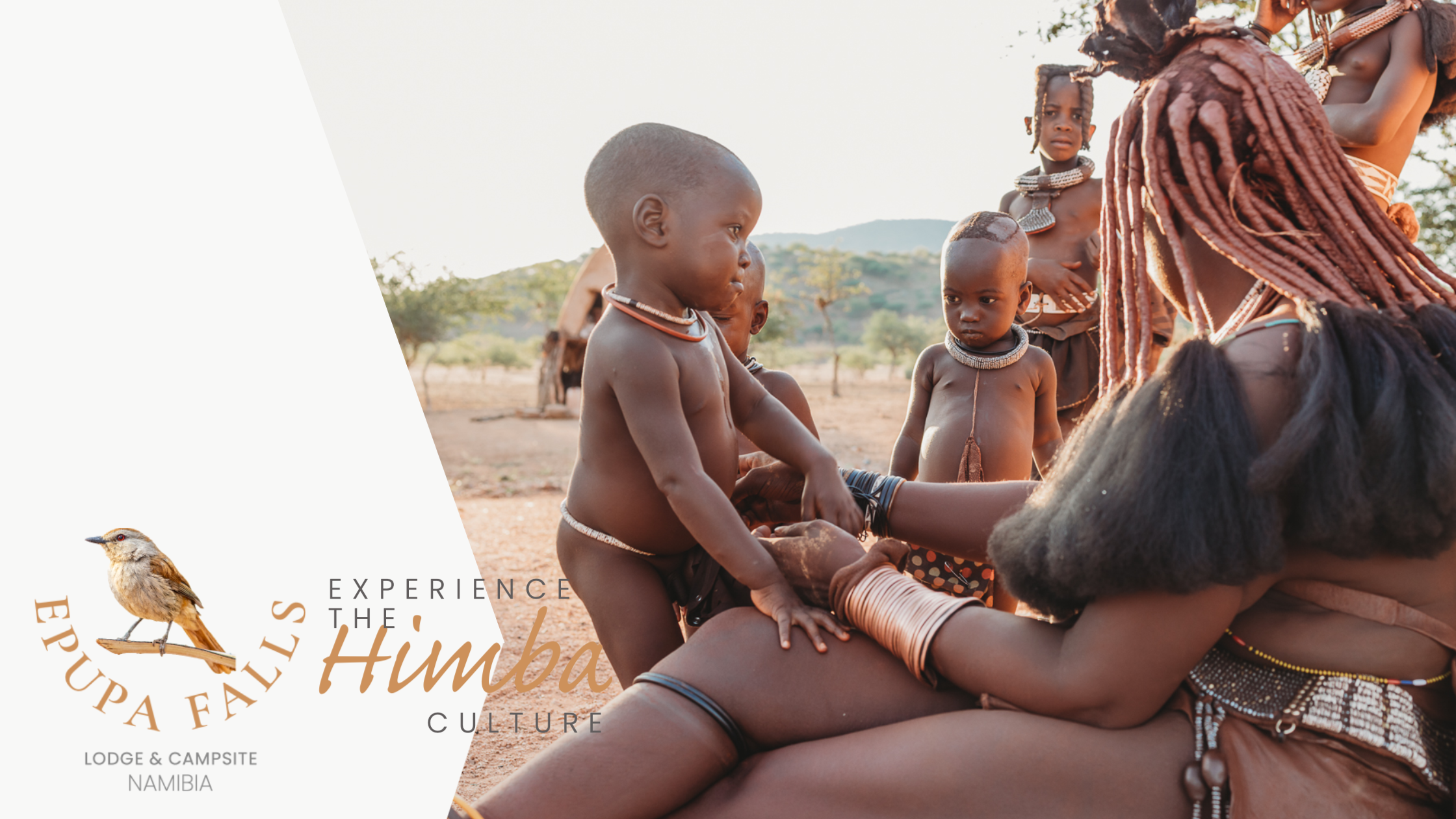
A Himba Cultural Experience at Epupa Falls

There are some travel experiences that are easy to photograph.

And then some experiences ask you to put the camera down for a moment and simply listen.

A visit to a Himba homestead near Epupa Falls can be one of those experiences.

The Himba have lived in the remote Kunene region of northwestern Namibia for generations, and their traditional way of life remains closely connected to livestock, family, the land and the seasons.

Visiting a Himba village isn’t about stepping into a museum or watching a performance created for tourists.

It is an opportunity to meet people, ask questions, observe everyday life and learn about a culture very different from your own.

At Epupa Falls Lodge, these visits are guided by people with an intimate relationship with the local Himba community, with a guide and interpreter helping guests communicate and understand what they are seeing.

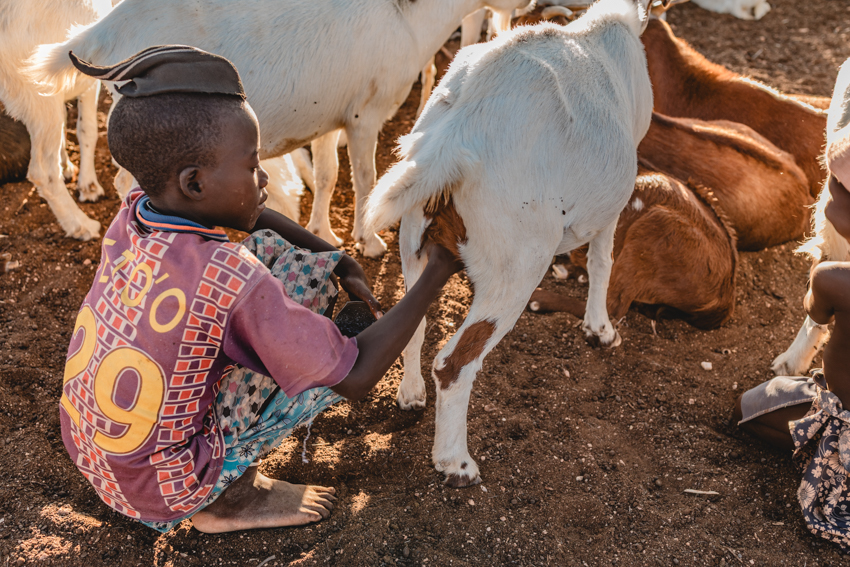
himba boy milking a goat

Who are the Himba?

The Himba are an Indigenous pastoralist people living primarily in the Kunene Region of northern Namibia and across the border in southern Angola.

Their communities have traditionally been closely connected to cattle and goats, and many families maintain a semi-nomadic way of life, moving with their livestock according to water, grazing and seasonal conditions.

Their distinctive appearance is one of the things visitors notice immediately.

Himba women are traditionally known for their red-ochre body covering, intricate hairstyles and handmade jewellery. The ochre mixture, known as otjize, is made using red ochre and fat and has cultural, practical and aesthetic significance.

But the Himba are far more than their appearance.

And that is an important distinction when visiting a Himba community.

A good cultural experience should leave you knowing more about the people, rather than simply having taken photographs of them.

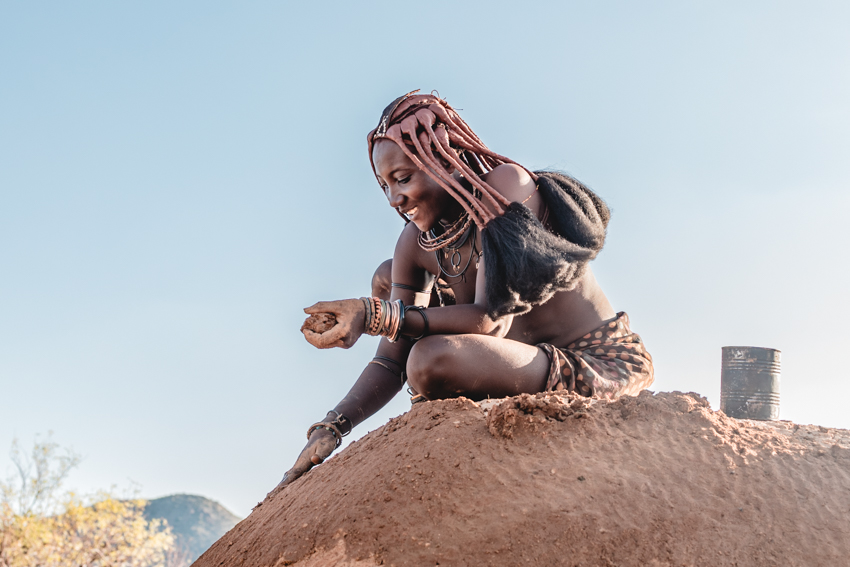
himba girl on a hut, epupa

What happens during a Himba village visit?

At Epupa Falls Lodge, the experience begins with a local guide introducing you to the family at the homestead.

The guide also acts as an interpreter, helping you communicate and explaining aspects of Himba culture and daily life.

Depending on the visit, you may see families going about ordinary activities such as preparing food, caring for children, tending livestock or working around the homestead.

There is no performance.

There is no carefully constructed “show”.

It is a living community.

The lodge describes its village visits as homesteads that are not staged for tourism, which is an important part of what makes the experience meaningful.

And yes, photography is allowed.

But we encourage guests to approach it in the same way they would approach any meaningful encounter with another person: ask first, be respectful and allow people to say no.

That little bit of consideration makes a big difference.

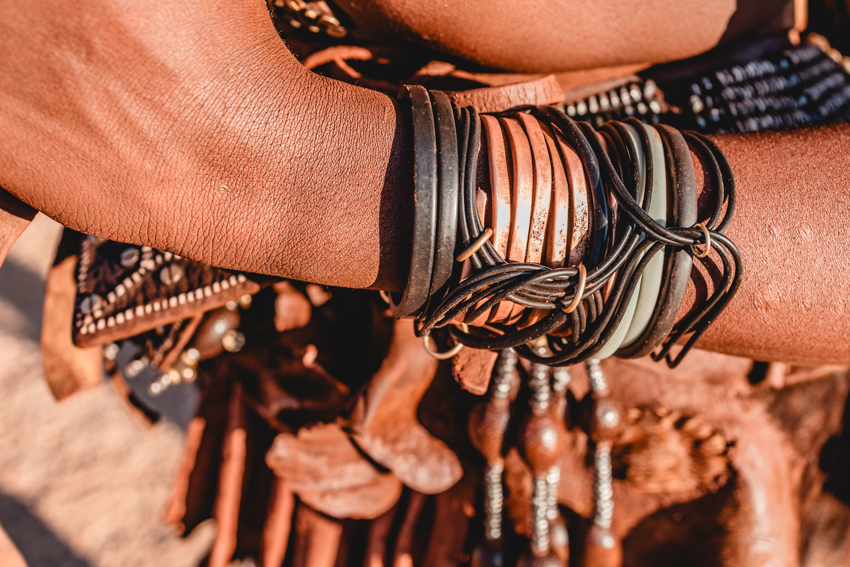
himba girl jewelry, epupa

A glimpse into everyday Himba life

A traditional Himba homestead, or kraal, is more than a collection of huts.

It is a living space for a family and its livestock, with different areas serving different purposes.

The traditional huts are constructed using locally available materials and are well adapted to the harsh climate of the Kunene region.

Livestock remains particularly important.

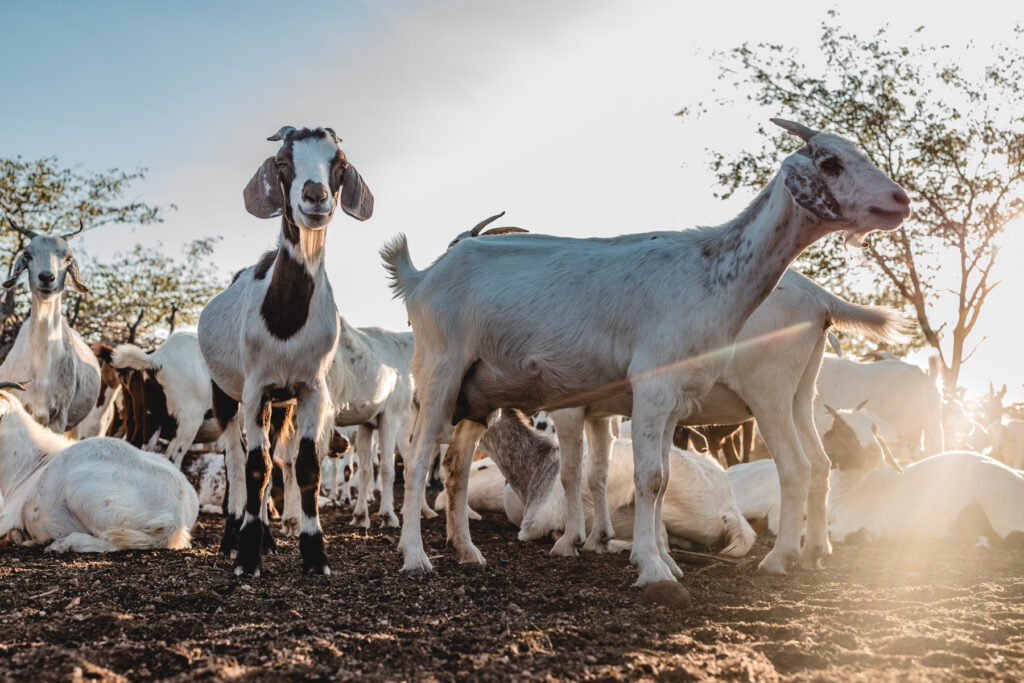
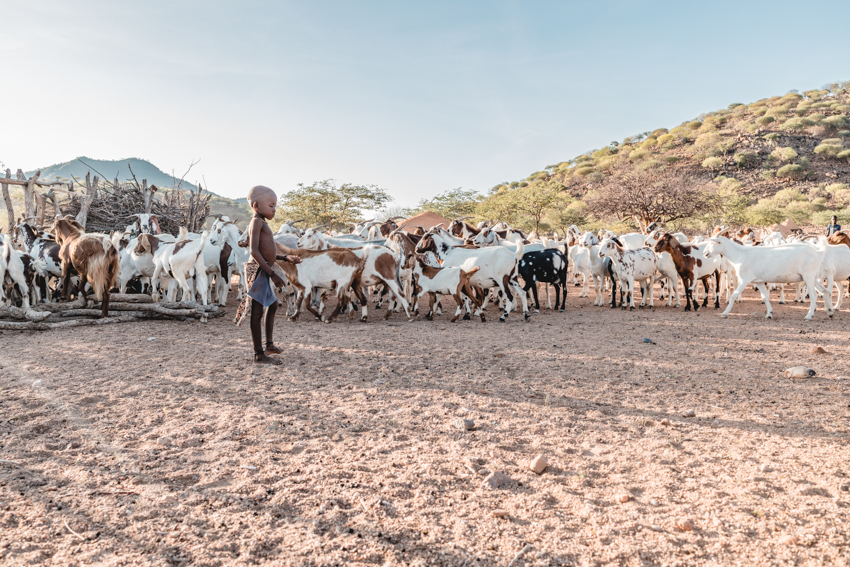
Cattle and goats provide food and have deep cultural significance, while the daily rhythm of a homestead revolves around caring for people, animals and the household.

During a visit, you may see some of these ordinary routines unfolding around you.

Someone preparing food.

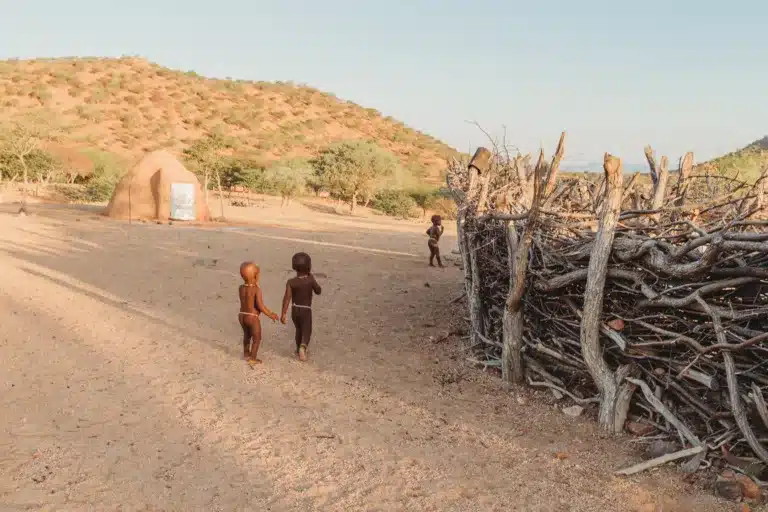
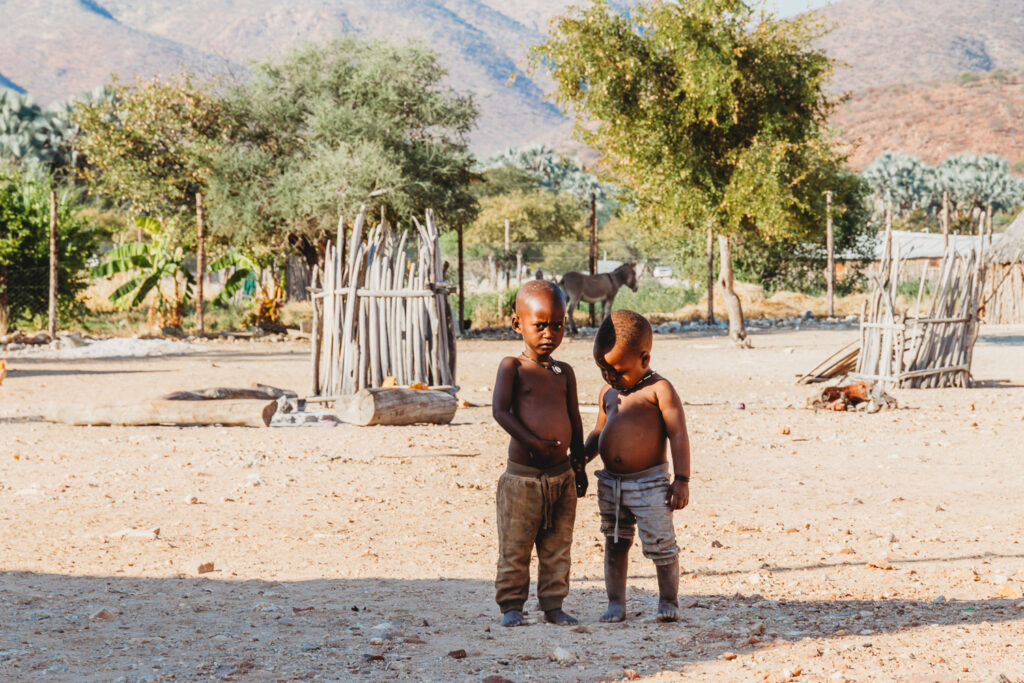
Children playing.

Goats returning.

A fire being prepared.

A conversation happening nearby.

Nothing spectacular by tourist standards.

And yet, that is precisely the point.

You are seeing ordinary life in a place that is very far from your own ordinary life.
goat kraal in himba village at epupa falls

More than a photo opportunity

If you are a photographer, it is almost impossible not to notice the visual richness of a Himba homestead.

The colours are extraordinary.

Ochre-red earth.

Traditional jewellery.

Goatskin clothing.

Weathered wood.

Smoke rising from a cooking fire.

Children running between the huts.

But the best photographs usually come when you stop treating the people in front of your camera as subjects and start treating them as people.

Slow down.

Talk.

Ask questions.

Let the moment happen.

Then, if everyone is comfortable, make the photograph.

That approach tends to produce much more meaningful images too.

Why visit a Himba village in Epupa?

The Himba culture is one of the reasons that Epupa Falls and Kaokoland feel so different from the rest of Namibia.

This is a remote region where traditional communities, livestock, dramatic landscapes and the Kunene River are all part of the same story.

The drive to Epupa itself gives you glimpses of Himba life. You may see people walking along the road, cattle and goats moving through the landscape, or homesteads scattered across the dry hills.

But seeing something from the road is very different from being welcomed into a community and having the opportunity to learn more.

A guided village visit gives context to what you see.

It helps you understand that this isn’t simply a colourful corner of Namibia created for visitors.

It is someone’s home.

The importance of a local guide

This is one of the places where who takes you matters.

Cultural tourism can be wonderful when it is built around genuine relationships and local participation. It can be much less meaningful when visitors arrive, take photographs and leave without understanding the people or community involved.

At Epupa Falls Lodge, the cultural experiences are built around long-standing relationships with the local Himba community.

The lodge’s guides have an intimate understanding of the people and the area, while an interpreter helps bridge the language gap. The lodge also describes its community guide programme as part of how these experiences are developed.

That creates a very different experience from simply arriving at a village with a camera.

You have someone there who can explain what is happening, answer questions and help you navigate the visit respectfully.

Children walking in Himba kraal

When is the best time to visit a Himba village?

The lodge currently offers morning and afternoon Himba village experiences, although the activity page recommends morning visits, when the village is active and temperatures are more comfortable. The current listed duration is approximately 3 to 4 hours

For a cultural experience, I would choose the morning if your itinerary allows it.

You get cooler temperatures, softer light and a better chance of seeing the homestead going about the business of the day.

And then you still have the afternoon available for one of Epupa’s other experiences.

Perhaps a river walk.

Perhaps the falls.

Perhaps a sunset outing.

Or perhaps absolutely nothing.

Epupa is quite good at the last one.

himba family cooking food on open fire

Can you stay overnight at a Himba kraal?

For travellers looking for a deeper cultural experience, Epupa Falls Lodge can also offer overnight visits at a Himba kraal.

himba village at epupa falls

Visiting respectfully

A cultural experience is a privilege, not an entitlement.

A few simple things visit better for everyone:

Ask before taking photographs

Even where photography is permitted, it is good practice to ask before photographing individuals, particularly children.

Listen before assuming

Your guide is there to help explain cultural practices and customs. If something is unfamiliar, ask.

Don’t hand out sweets or money to children

If you would like to contribute, ask your guide about appropriate ways to support the community.

Remember that modern Himba life is still modern life

The Himba are not frozen in time.

People use phones. Children attend school. Families adapt to changing economic and environmental circumstances.

Traditional practices and modern life exist alongside one another.

That complexity is part of the story.

himba boy with goats, epupa

Himba culture and the wider landscape of Kaokoland 

One of the things that makes a Himba cultural experience at Epupa so special is that it doesn’t happen in isolation.

It happens in Kaokoland.

The Kunene River flows through the landscape, providing a vital source of water in an otherwise extremely dry region.

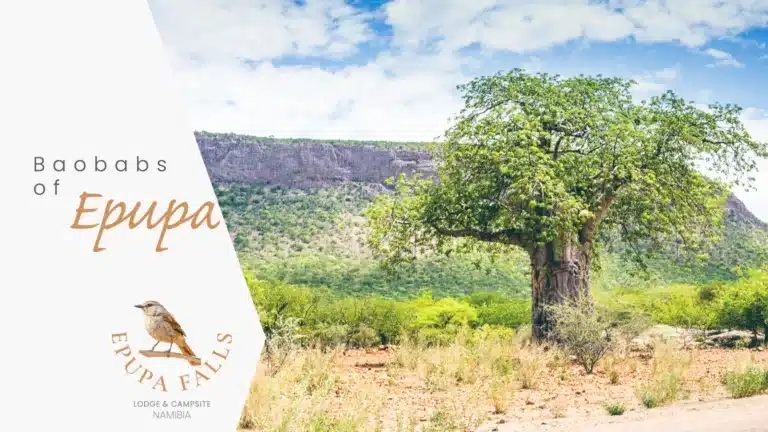
Baobabs and Makalani palms rise from the rocky terrain.

The Epupa Falls thunder through the gorge.

And beyond the river, the mountains stretch towards Angola.

The landscape and the people are deeply connected.

To understand one, you begin to understand the other.

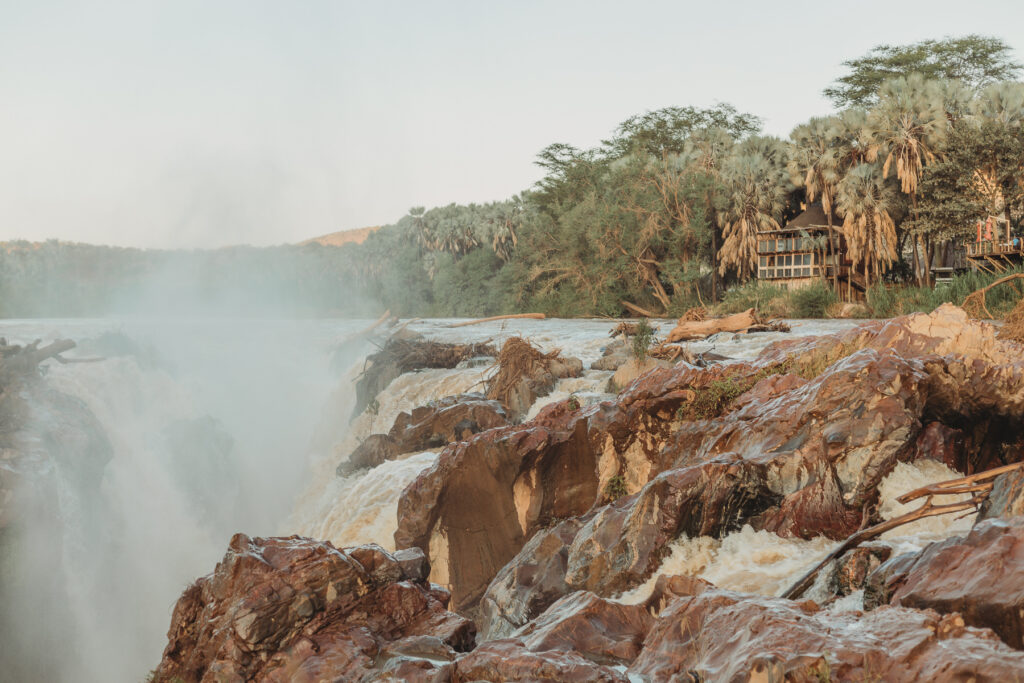
epupa falls lodge from the viewpoint

Combine your Himba experience with a stay at Epupa Falls Lodge

A Himba village visit is only one of the ways to experience Epupa.

While you’re here, you can explore the waterfalls on foot, walk along the Kunene River, look for birds, take a sunset outing or simply spend time beside the river.

The lodge currently offers a range of guided activities, including the Himba Village Experience, River Walk, Explore the Falls, Sunset Experience, scenic drives and birding

That is why I would recommend allowing at least two nights in Epupa if your itinerary permits.

The road here is long.

The landscape deserves time.

And once you arrive, there is far more to experience than a quick stop at the waterfall.

Experience Epupa beyond the postcard

The waterfalls may be what bring you to Epupa.

The landscape may be what makes you stop the car.

But the people and the stories of Kaokoland can be what make you remember the place.

A Himba cultural experience gives you an opportunity to slow down, meet people, ask questions and see a little of what everyday life looks like in one of Namibia’s most remote regions.

Come curious.

Come respectful.

And leave with more than photographs.

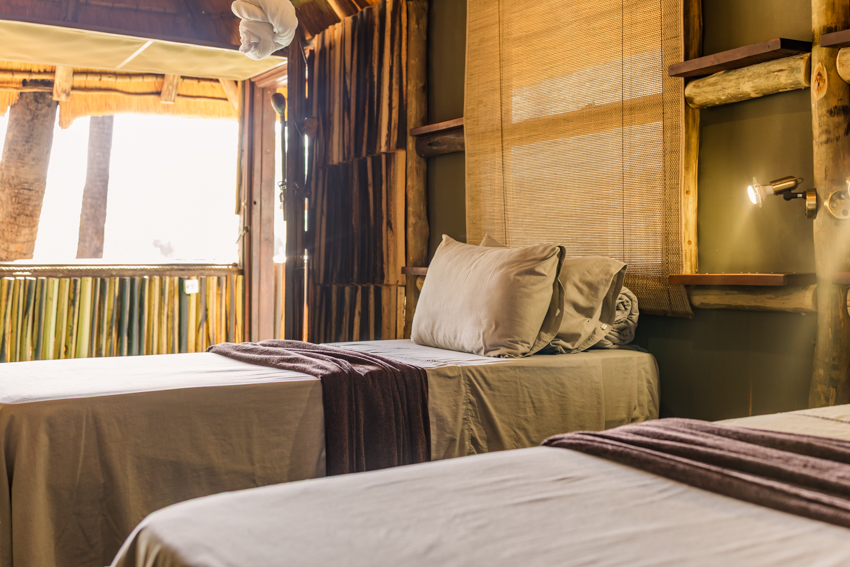
epupa falls lodge accommodation, epupa

Stay beside the Kunene River

Epupa Falls Lodge has been family-run since 1990 and is situated on the banks of the Kunene River, close to the falls. The lodge offers accommodation, camping and guided cultural and nature-based experiences.

Planning a visit to Epupa Falls? Contact us to arrange your Himba cultural experience and accommodation.

travelling to Epupa with children blog header
5 Reasons Bird Photographers and Enthusiasts Should Visit Epupa Falls in Namibia